

Quick Summary: Cold, dark months can take a real toll on mood and motivation for older adults, but a few intentional habits make a big difference in staying mentally healthy through winter. Staying physically active, maintaining social connections, getting outside for natural light, pursuing enjoyable hobbies, and establishing a consistent daily routine all help combat seasonal depression and low energy. Small, consistent steps are the most effective way to keep spirits high when the weather makes it tempting to withdraw.
While winter can be a joyful time as we usher in the holiday season, it can also be isolating for seniors. With shorter daylight hours and colder temperatures, these seasonal changes can cause shifts in mood and overall well-being.
According to the Mayo Clinic, seasonal depression, also known as Seasonal Affective Disorder (SAD), is caused by changes in the seasons. Older adults face a unique challenge with seasonal depression due to physical changes associated with aging, which could limit time outdoors and access to natural light. Seniors may experience the compounded effects of seasonal depression if they live alone, increasing feelings of loneliness and isolation.
At Vitality Living, we understand how much the winter blues can affect our residents. That’s why we’ve compiled a list of five tips on how to beat the winter blues for seniors. Discover how to stay active, maintain social connections, and practice self-care during colder months.
Tip 1: Prioritize Light Exposure and Time Outdoors
Seasonal depression symptoms can begin as early as fall and continue through the winter months, depleting energy and causing moodiness. Symptoms may disappear over the spring and summer months when longer days bring more sunlight.
Studies show that people with seasonal depression or SAD have reduced levels of serotonin, which can help regulate mood. The amount of sunlight each person gets can help maintain normal serotonin levels. Since winter months cause shorter days, the molecules in the brain may not function properly, further decreasing serotonin levels in the winter.
To help, spend some time near a window during daylight hours, even if the days are cloudy. Any exposure to natural light is helpful. When possible, schedule outdoor walks during peak daylight hours. This is typically late morning to early afternoon. Wear weather-appropriate clothing and take safety precautions to participate in outdoor activities. Even a brief time spent outdoors can help boost mood and energy levels.
In addition, light therapy lamps are a great alternative for those with mobility limitations or if it’s too cold outside. These lamps allow older adults to gain this natural light exposure wherever it is most convenient for them.
Creating small, daily habits can have a cumulative impact on the overall effects of seasonal depression.
Tip 2: Embrace Indoor Winter Activities and Hobbies
During the winter months, it’s important to stay mentally engaged. This can be done through indoor winter activities, such as puzzles, painting, crafting, board games, or learning new skills.
Many of these activities can be done solo or in a group setting, allowing you to maintain social interactions and connections. Here are some winter activities that can be done alone or with other like-minded seniors:
- Painting or Arts Classes
- Group Fitness Classes
- Book Clubs or Discussion Groups
- Volunteering
- Virtual Classes or Online Communities
Create a weekly activity schedule to maintain consistency in these activities. It will give you a chance to look ahead to new activities and connect with friends during group classes.
Engaging in either new or well-loved activities releases endorphins and provides mental stimulation, which are critical during the winter months. Structured activities provide purpose and routine, both of which are essential for fighting the winter blues.
Tip 3: Stay Physically Active Indoors
Participating in physical activities year-round has a number of benefits, including boosting your mood. While exercising outdoors is ideal, you can still reap the benefits of exercising by adding some indoor exercise options to your routine.
Some of these activities include:
- Participating in gentle yoga or Tai Chi
- Walking laps at indoor malls
- Swimming at community centers or fitness centers
- Playing pickleball at indoor courts
For seniors, online fitness classes provide a convenient way to stay active indoors while choosing the fitness level and activity that’s right for you.
Staying active in winter has dual benefits. While you’re improving your physical health, you are also enhancing your mental well-being due to the release of endorphins. The production of endorphins also helps to regulate sleep patterns, which are typically disrupted during the winter months.
Vitality Living offers Vivid Life, cultivating a vibrant body, brain, and connection. These three components set residents up to live an engaged and active lifestyle.
Make sure to set realistic, achievable fitness goals to maintain motivation. This is especially important if you are starting a new activity. Focus on consistency rather than intensity to achieve sustainable results.
Tip 4: Maintain Social Connections and Combat Isolation
While it can be easy to isolate yourself during the winter months, it’s crucial to build and maintain social connections for your mental health. A few practical ways to stay connected include regular phone or video calls with family and friends, or joining senior groups or clubs.
Virtual social events, such as book clubs or community meetings, are accessible options that many senior living communities offer. Organizing game nights, meal sharing, or indoor events with friends or family members is another way to stay connected. These winter activities allow you to look forward to this time with loved ones while connecting with them through an activity.
Reaching out to others can help strengthen relationships and provide mutual support during the winter months. Consistent social interaction is one of the most effective ways of fighting the winter blues.
Tip 5: Practice Self-Care and Establish Healthy Routines
Self-care is foundational to managing seasonal depression and overall mental health. There are a few ways to practice self-care and create healthy routines:
- Create a Sleep Schedule: Keeping a consistent sleep schedule supports circadian rhythm regulations, especially during shorter days.
- Eat Proper Foods: Nutrition is key to maintaining a healthy body and mind. Eat mood-boosting foods that are rich in omega-3s, B vitamins, and antioxidants to support physical health.
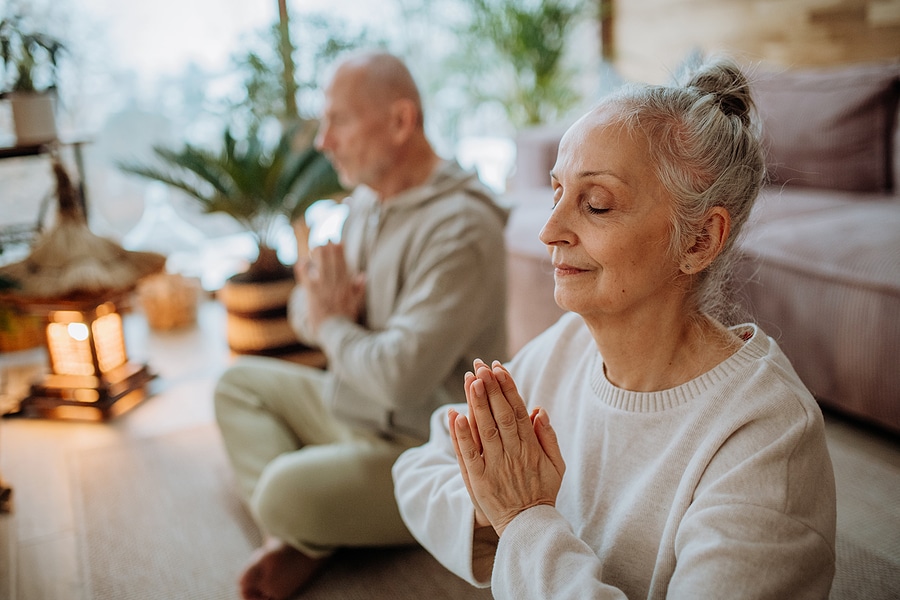
- Practice Mindfulness: Mindfulness practices, such as meditation or journaling, are helpful when managing winter-related stress and anxiety.
- Limit Screen Time: Establishing digital boundaries is a good practice for limiting excessive screen time.
Self-care isn’t selfish. It’s an essential part of maintaining your well-being during these challenging seasons.
Where to Start
Seasonal depression is common for older adults who are more prone to isolation and loneliness. Five strategies for beating the winter blues include prioritizing time outdoors, finding indoor activities or hobbies, staying physically active, maintaining social connections, and practicing self-care.
Begin by choosing two to three of the tips mentioned above, rather than trying to implement all of these strategies at once. This can help you reach achievable goals while still establishing these new routines. Winter can be a season of indoor creativity, deeper connections, and intentional self-care rather than isolation. Seek professional help if you feel your seasonal depression symptoms have gotten worse.
Reach out to Vitality Living for more information on our senior living communities or check out our downloadable resource guides.